
The Life and Legacy of Mihaela Terzić: A Nursing Pioneer
Bibliographic & Publication Details
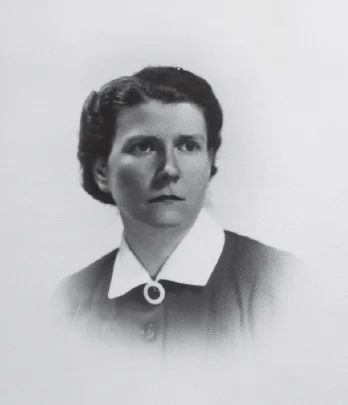
Born in Đakovo on August 23, 1902, and passing away in Zagreb on April 5, 1991, Mihaela Terzić stands as a monumental figure in regional healthcare. Active between the two World Wars and in the immediate post-war period, she dedicated her life to ensuring the development and public recognition of the nursing profession. Through her extensive work in health, social, and educational institutions, she left an undeniable mark on the medical landscape.
Early Career and Institutional Leadership#
Alongside Margareta Denich, Mihaela Terzić was one of the first civilian nurses to begin working at the Clinic for Infectious Diseases “Dr. Fran Mihaljević.” Her career quickly expanded as she took on vital roles across multiple care facilities. She contributed her expertise to the School for Nurses in Zagreb, the Josipovac Children’s Home, and the Home for Mothers and Infants within the Public Health Center in Osijek.
Demonstrating strong clinical and administrative capabilities, she later served as a head nurse at the Central District Hospital in Osijek and the Children’s Rehabilitation Center in Selce. Furthermore, she continued her impactful work at the School of Public Health and the Youth Clinic in Zagreb.
International Training and Academic Contributions#
A strong advocate for continuous professional education, Terzić expanded her knowledge internationally. She spent a year training at the University Children’s Clinic of the General Hospital in Vienna and the University Hospital in London. Additionally, as a World Health Organization (WHO) scholarship holder, she completed a three-month educational program spanning Finland, Sweden, and Denmark.
She actively shared this global perspective with the next generation of medical professionals, serving as a lecturer at the College of Nursing of the Faculty of Medicine and teaching a postgraduate course organized by the School of Public Health.
National Recognition and the Florence Nightingale Medal#
Her relentless dedication and vast experience within the national professional association culminated in prominent leadership roles. In 1953, she was elected president of the Association of Graduate Nurses of the People’s Republic of Croatia. The ultimate recognition of her versatile career and lifelong service came in 1977 when she was awarded the highly prestigious Florence Nightingale Medal.
Historical Research and Archival Sources#
The comprehensive documentation of her life and work, compiled by authors Sanda Franković and Snježana Mirilović, relies heavily on official historical records. Key documents are preserved in the Croatian State Archives and the State Archives in Zagreb. This research is further enriched by family memories, private documents, and articles authored by Terzić herself in the Journal of the Graduate Nursing Association / Journal of Nurses. Photographic evidence of her legacy is also safely stored in her personal album within the Collection for Nursing History at the Croatian Nursing Association (CNA).